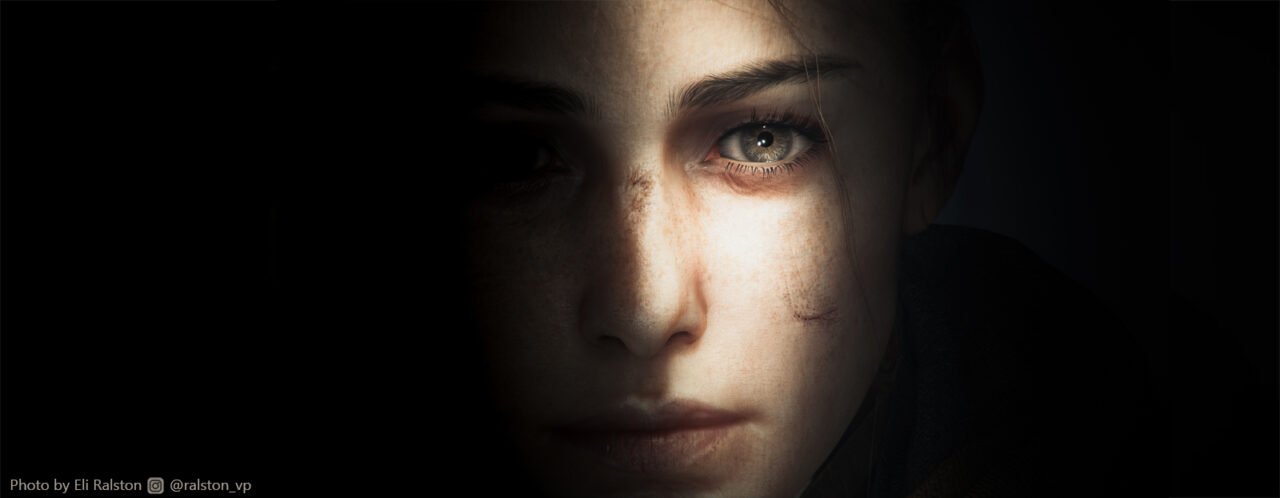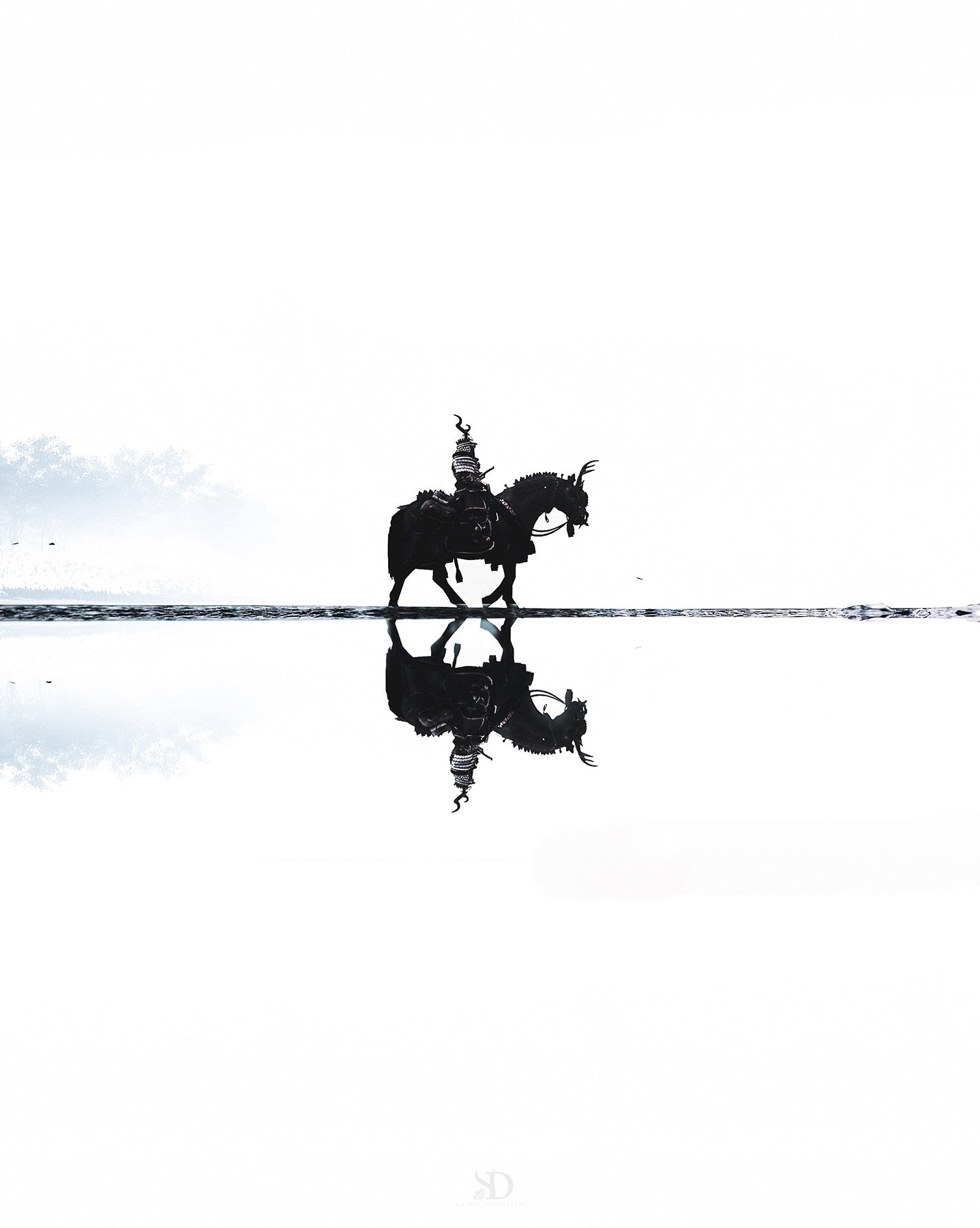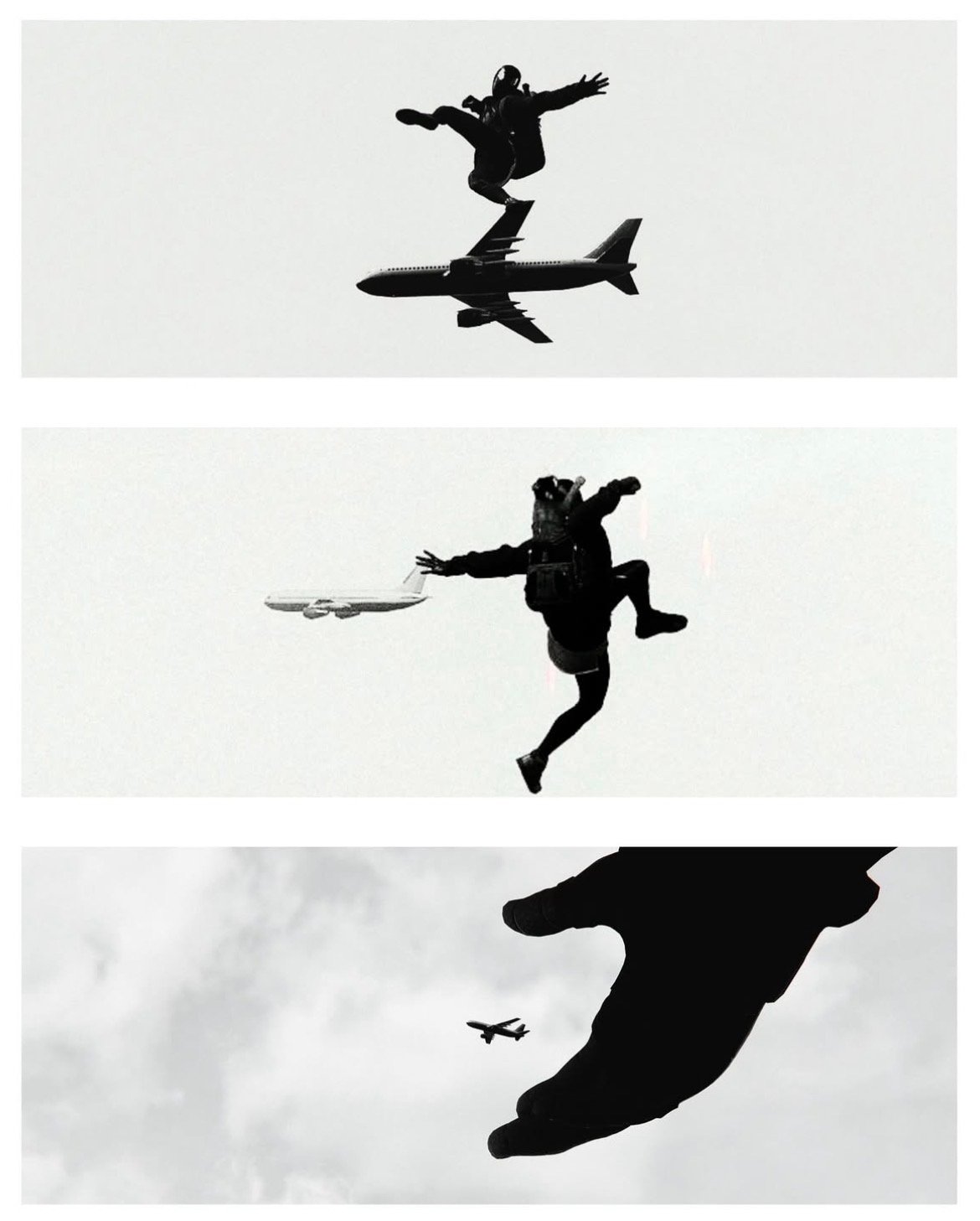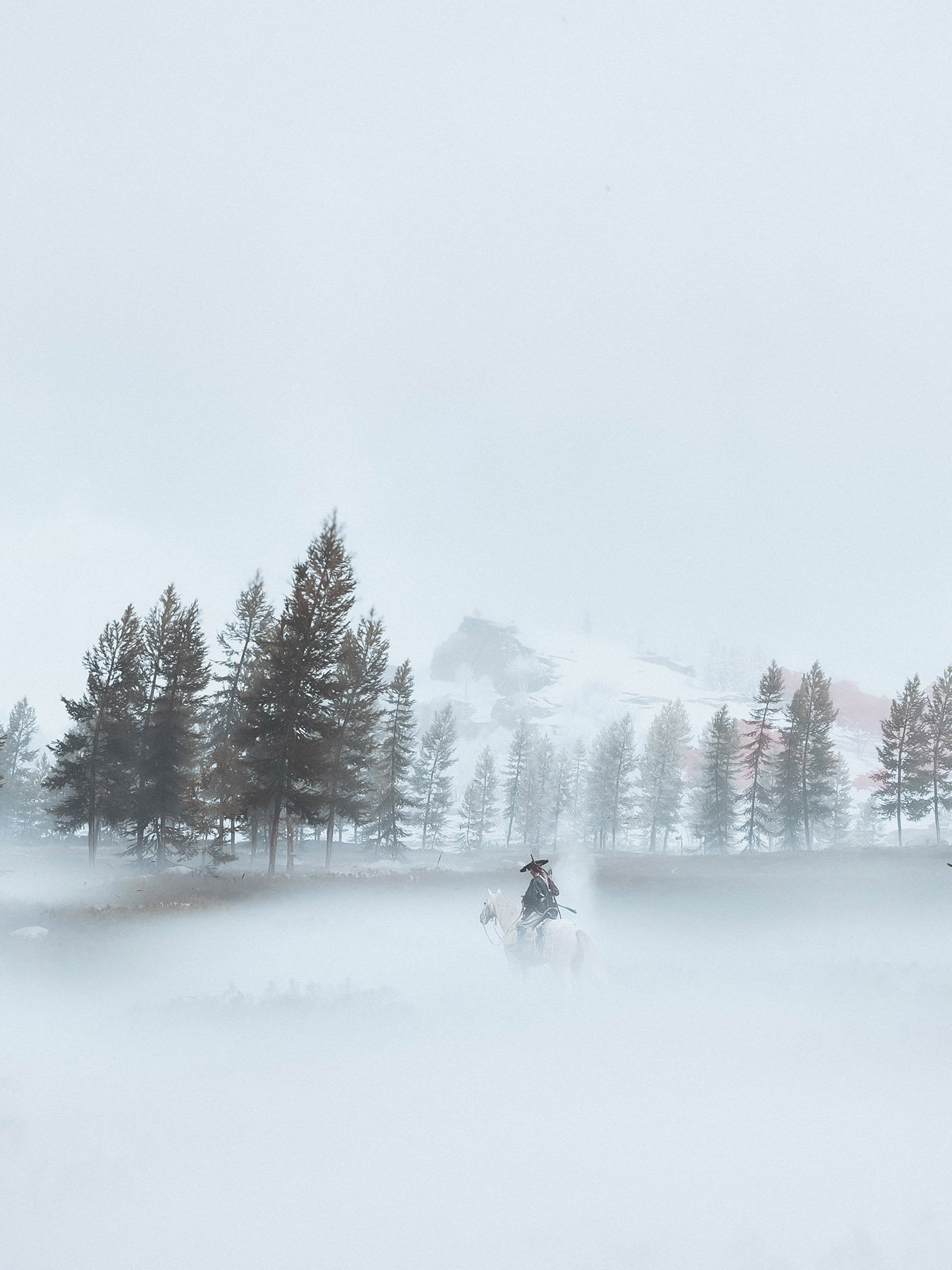

In an era where digital worlds have become increasingly sophisticated and visually stunning, a new form of artistic expression has emerged: virtual or in-game photography. This practice raises fundamental questions about creativity, authorship, and the nature of photographic art itself. When we capture a moment within a video game, who truly owns that creative output, the player wielding the virtual camera, or the developers who crafted the digital landscape?
The distinction between original photographic work and mere documentation becomes particularly clear when we consider cutscenes. These pre-rendered or carefully scripted sequences represent the game developers’ complete artistic vision, every camera angle, every lighting choice, every compositional element has been meticulously planned. Taking a screenshot during a cutscene is akin to photographing a movie screen; you’re documenting someone else’s directorial choices rather than making your own.
However, step outside these scripted moments into the game world proper, and the creative landscape shifts dramatically. Here, the player becomes an active participant in the artistic process, making conscious decisions that parallel those of traditional photographers.
Virtual photography operates on the same fundamental principles that have defined photographic art since its inception:
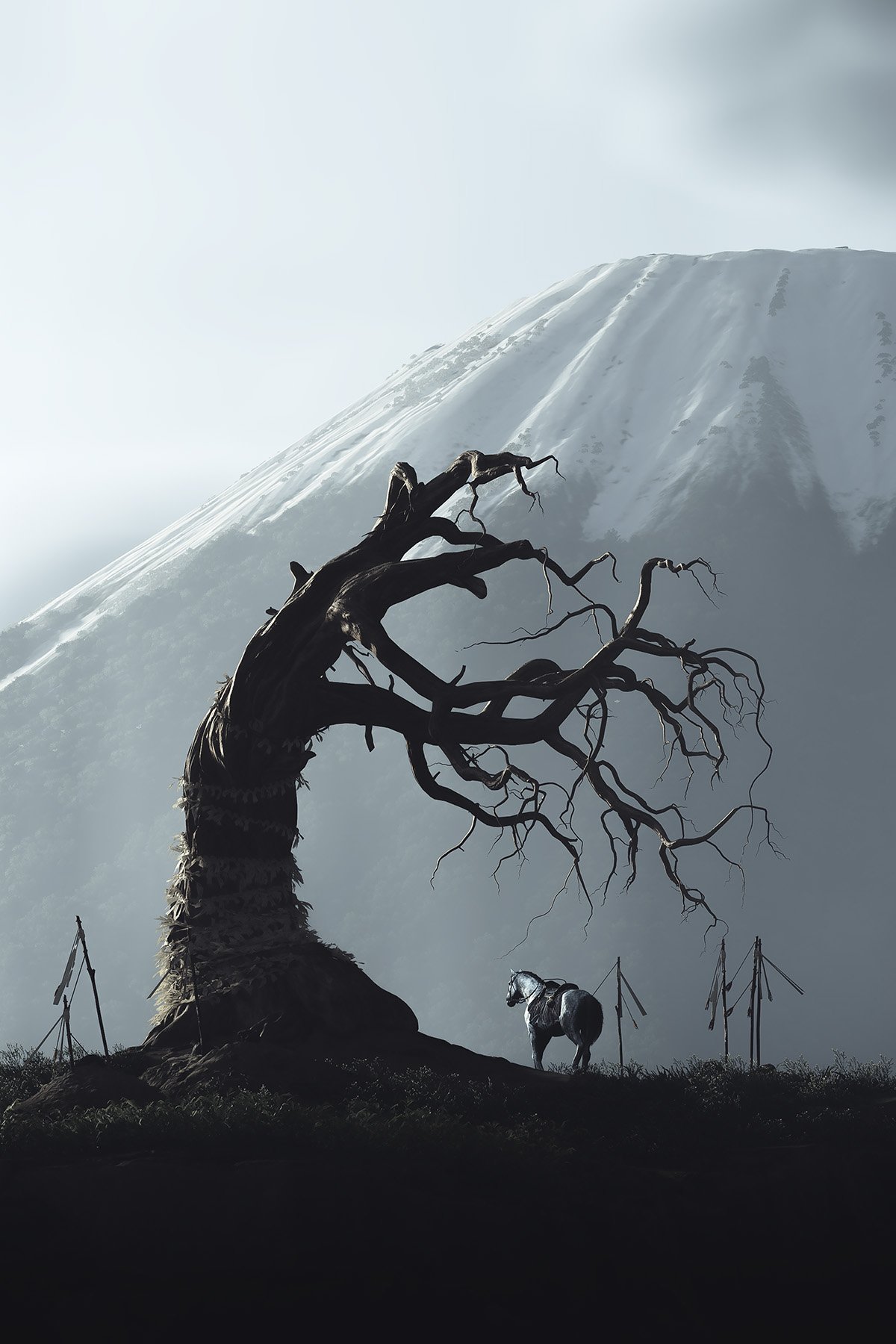
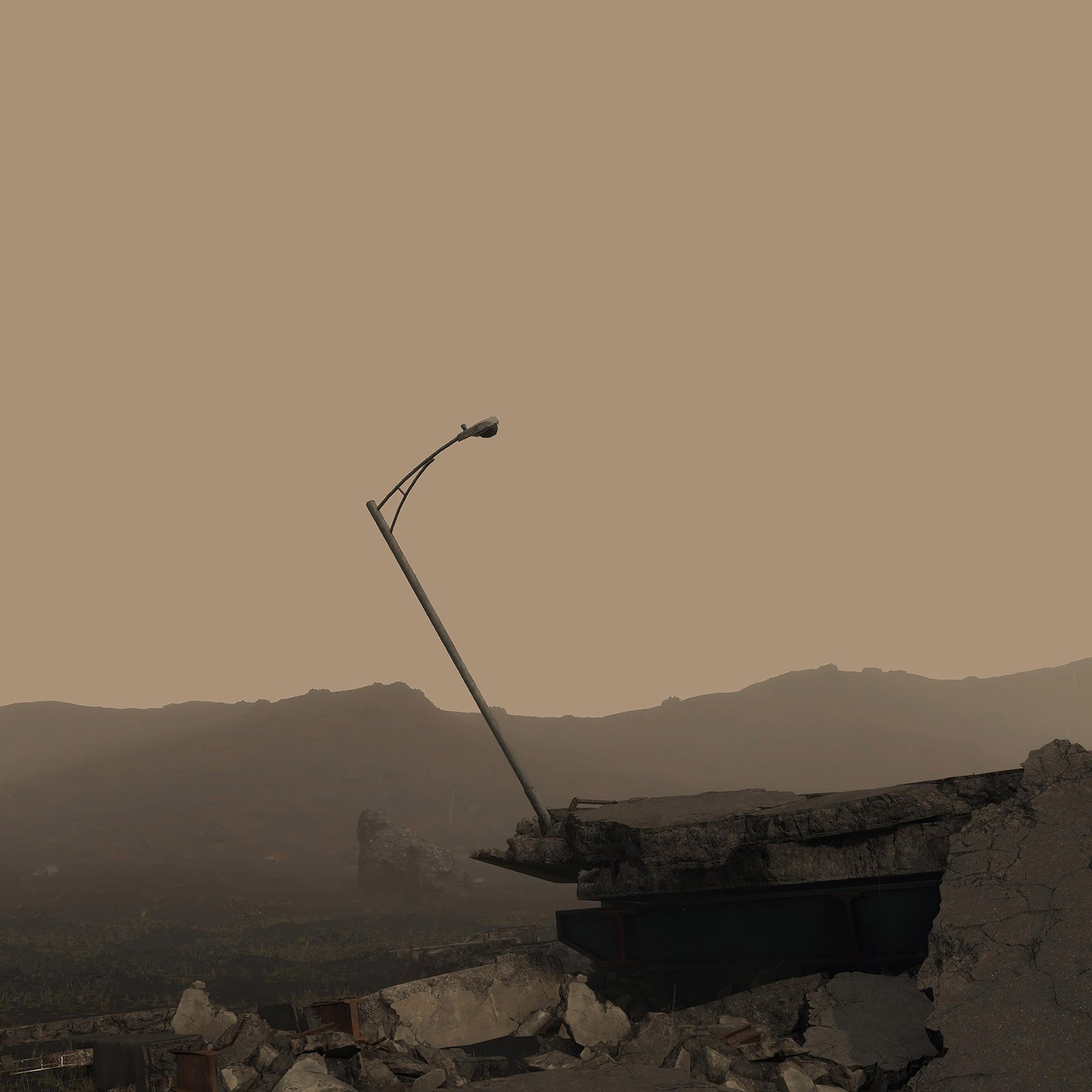
Composition and Framing: Whether you’re standing on a mountain ridge in Red Dead Redemption 2 or hiking through Bregenzerwald, the rule of thirds still applies. Leading lines guide the eye whether they’re formed by architectural elements in Cyberpunk 2077 or natural formations in the physical world.
The Decisive Moment: Henri Cartier-Bresson’s famous concept translates seamlessly into virtual spaces. Catching an NPC mid-gesture, timing a screenshot as virtual lightning illuminates a scene, or waiting for the perfect arrangement of moving elements, these require the same patience and anticipation as street photography.
Light and Shadow: The golden hour exists in both realms. Virtual photographers often wait for specific in-game times to capture scenes under optimal lighting conditions, just as landscape photographers rise before dawn to catch the perfect sunrise.
Perspective and Angle: Finding unique vantage points, experimenting with camera heights, discovering fresh ways to present familiar scenes, these creative choices remain entirely in the hands of the virtual photographer.
The parallels between virtual and physical photography become even more intriguing when viewed through the lens of modern physics. Simulation hypothesis and digital physics theories suggest our “real” world might itself be a form of sophisticated simulation or computational process. If our reality operates on principles similar to those governing virtual worlds, then the distinction between photographing “real” and “virtual” subjects becomes increasingly philosophical rather than practical.
This perspective doesn’t diminish the value of either form, instead, it elevates virtual photography by highlighting the fundamental similarities in how we interact with, interpret, and capture both types of reality.
When we acknowledge virtual photographers as true authors of their work, we recognize several key factors:
Intentionality: Every screenshot taken with artistic intent represents a series of conscious creative decisions. The virtual photographer chooses what to include or exclude, when to capture, and how to frame their subject.
Technical Mastery: Understanding in-game photo modes, managing depth of field, adjusting exposure settings, and post-processing, these technical skills mirror those required in traditional photography.
Artistic Vision: The ability to see and capture beauty, emotion, or narrative within virtual spaces requires the same aesthetic sensibility as recognizing photographic opportunities in the physical world.
Unique Perspective: No two players will capture identical images even when presented with the same virtual environment. Personal style, creative vision, and individual perspective ensure each photographer’s work remains distinctly their own.
As virtual worlds continue to evolve in complexity and visual fidelity, the line between virtual and traditional photography will likely continue to blur. Rather than viewing this as a challenge to photographic authenticity, we should recognize it as an expansion of the medium itself.
Virtual photography offers unique opportunities, impossible perspectives, otherworldly lighting, fantastic subjects, while demanding the same core skills that have defined photography since its inception. When we press that screenshot button with artistic intent, we’re not merely documenting someone else’s creation; we’re using their world as our canvas, their assets as our raw material, creating something uniquely our own through the choices we make.
In this light, virtual photographers are unquestionably the authors of their images. They bring the same creative vision, technical skill, and artistic sensibility to their craft as any photographer working in the physical world. The medium may be different, but the artistry remains fundamentally, authentically human.
2025 © Gamervision.
Article by Milad Safabakhsh, founder of Gamervision and the Minimalist Photography Awards.
.